What Do Limewash Walls Look Like, and How Are They Applied in a Toronto Home?
Limewash walls present a soft, mottled, and chalky aesthetic that changes with the light. They offer a breathable, non-toxic finish for Ontario homes.
The Aesthetic of Limewash Walls
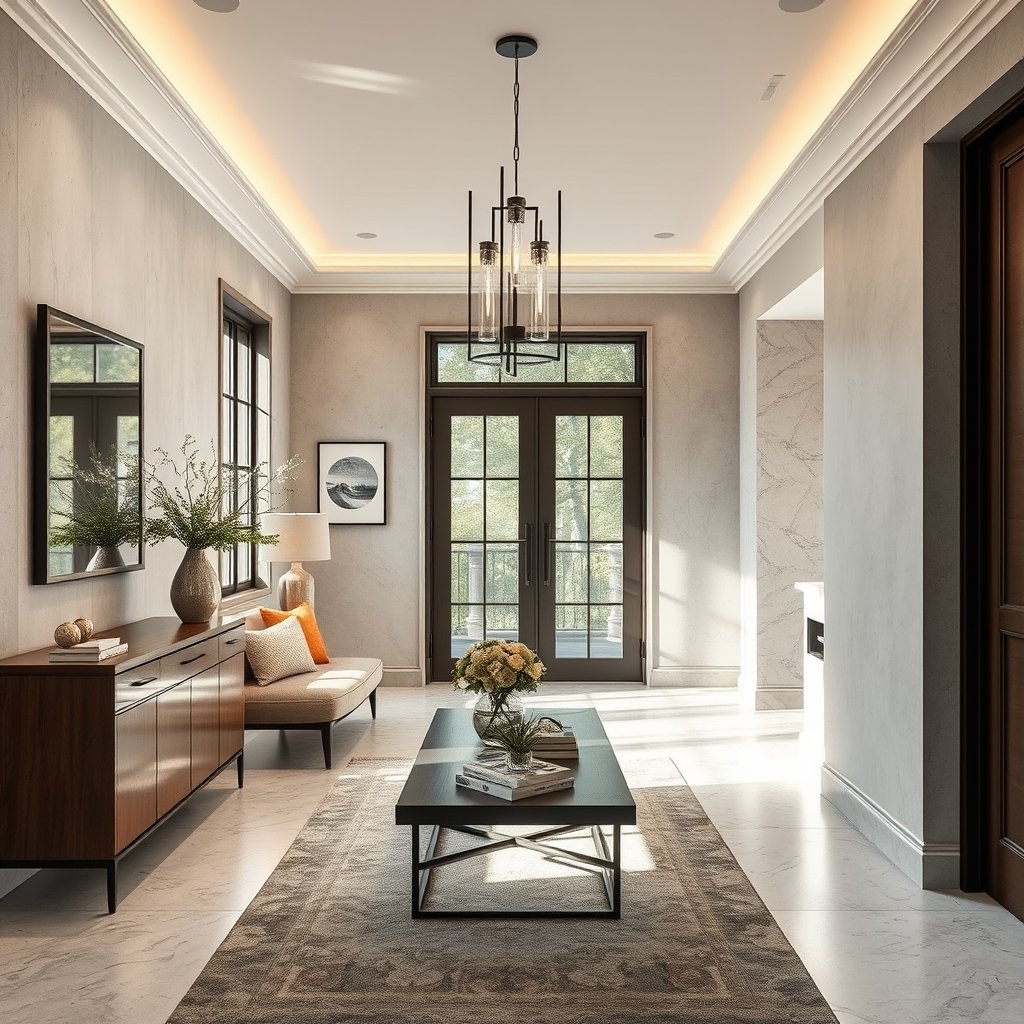
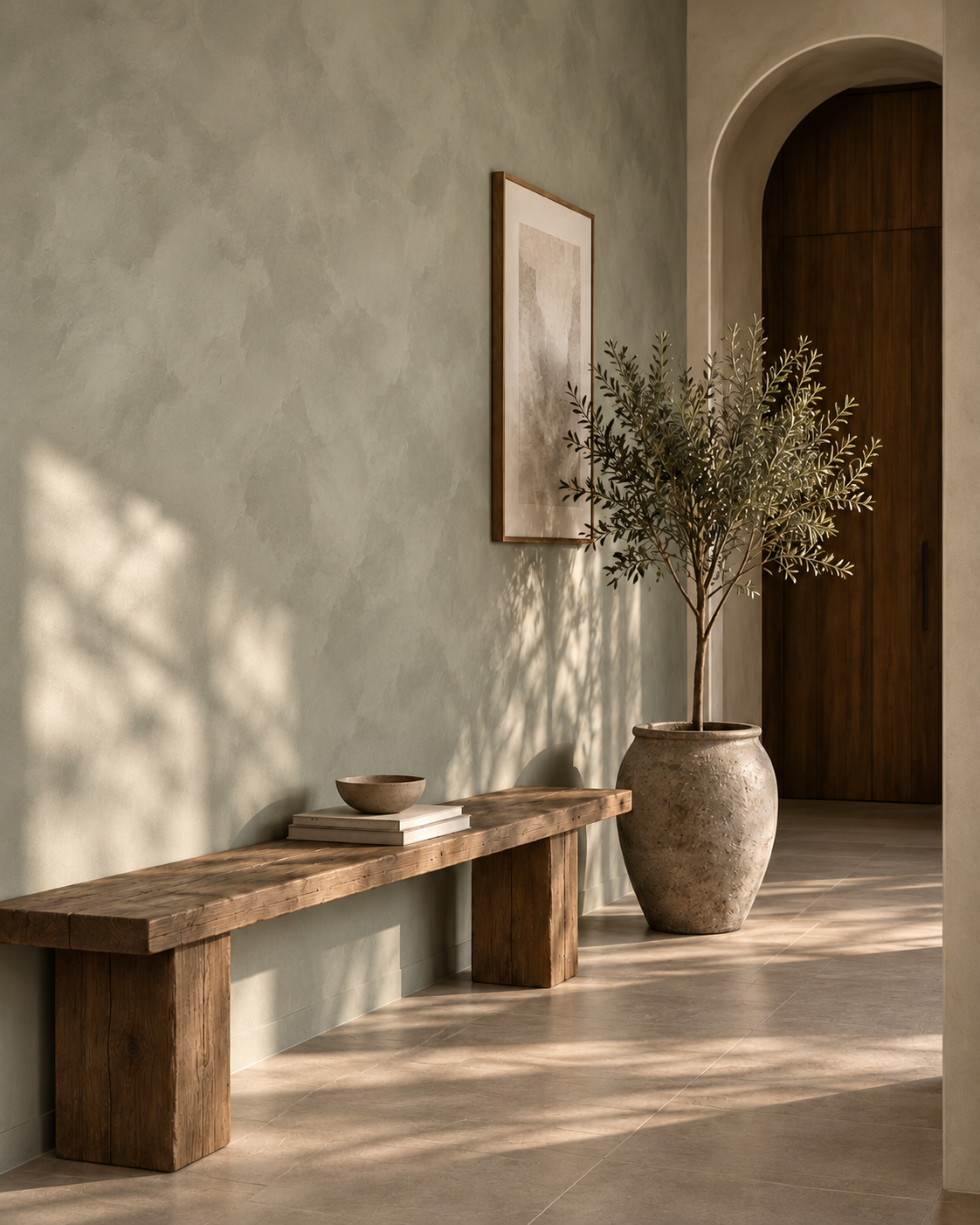
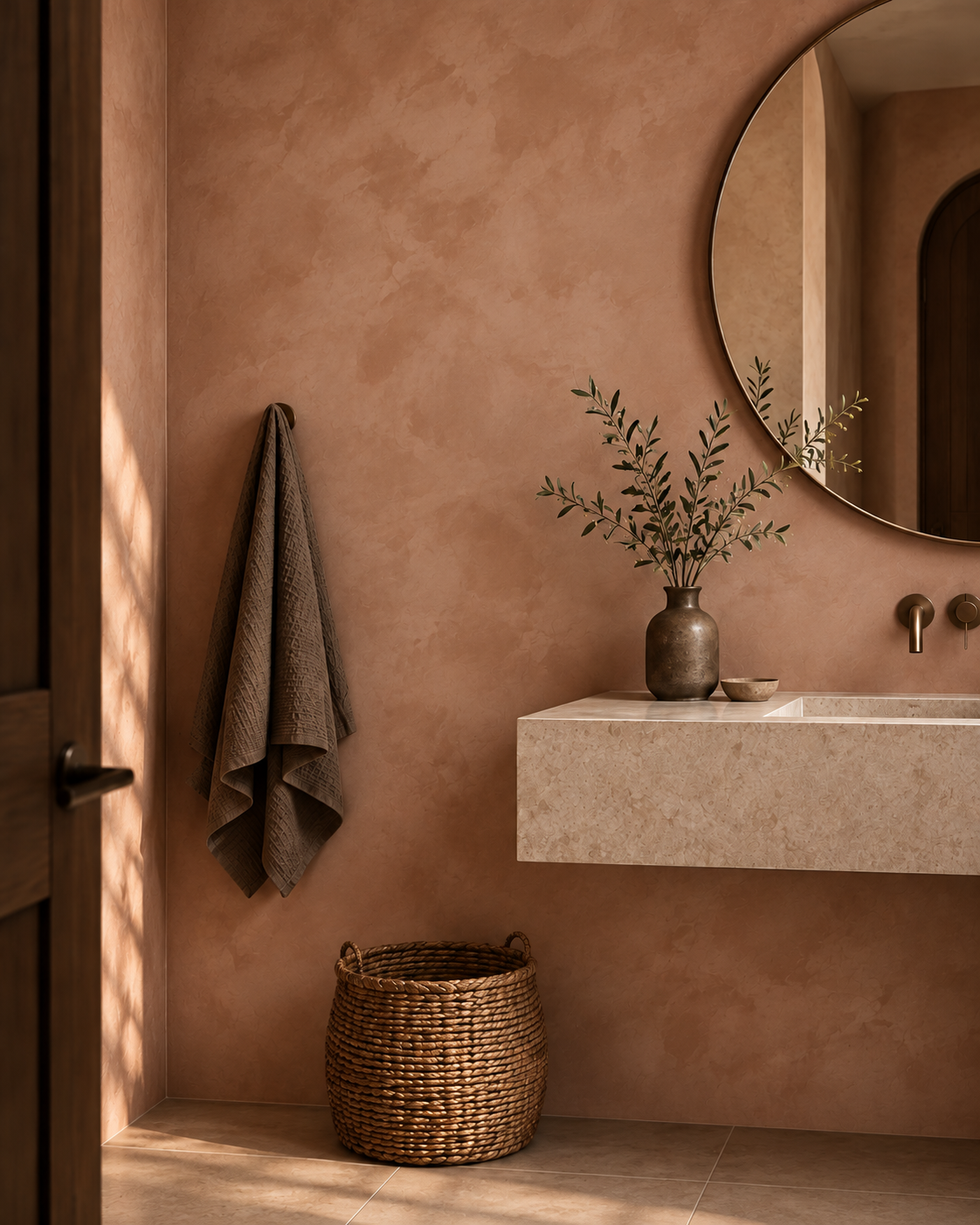
Limewash walls offer a soft, matte, and cloud-like appearance that shifts throughout the day as natural light hits the surface. Unlike standard acrylic paints which create a uniform plastic film, limewash creates a subtle variation in colour and texture that brings a sense of depth to any room.
This finish is defined by its mineral composition. Because it is made from slaked lime, it reacts chemically with the substrate, resulting in a finish that feels organic and weathered rather than flat. In Toronto homes, where natural light can be limited during winter months, limewash helps soften harsh corners and adds a gentle lustre to plain drywall or plaster.
Surface Preparation and Substrate Requirements
Proper preparation is the most important step before applying lime wash walls. Limewash requires a porous surface to bond correctly, meaning you cannot paint it directly over glossy oil-based paints or unprimed surfaces without the right mineral primer.
For most Toronto and GTA renovations, we start by ensuring the drywall is clean and free of dust. If the wall has been previously painted with a standard latex product, a specialized mineral-based primer is necessary to provide the requisite suction. Skipping this step often leads to flaking or uneven curing.
The Application Process
How to limewash walls effectively involves using a large, natural-bristle brush rather than a roller. A roller will create an artificial texture that lacks the characteristic movement of a hand-applied brush stroke.
The application is typically done in a cross-hatch pattern or long, sweeping strokes. This technique ensures the colour pigments distribute unevenly, which is exactly what creates the beautiful, mottled effect. We apply two thin coats, allowing each to dry fully. The transformation occurs as the lime cures; the colour will appear much darker when wet and will lighten significantly as it dries over the first 24 hours.
Climate Considerations for Toronto Homes
Living in Ontario means dealing with significant humidity swings between seasons. Limewash is naturally pH-alkaline, which makes it resistant to mould and bacteria, a helpful trait for older Toronto homes that may struggle with dampness in basements or bathrooms.
Because limewash is a breathable finish, it allows moisture to evaporate through the wall rather than trapping it behind a film. This helps maintain a healthier indoor climate during our humid summers and dry winters. While it is a durable finish, it can be marked by oils or heavy scrubbing, so we often suggest a clear, breathable sealer in high-traffic hallways or kitchens.
Maintenance and Longevity
Maintaining limewash walls is straightforward if you understand the material. If you get a mark on the wall, you can often touch it up by applying a small amount of the original mixture. Because the finish is so organic, these touch-ups blend in seamlessly without the visible patches that occur with standard paint.
Over time, the walls will develop a patina. This is part of the charm of the material. If you prefer a cleaner look, periodic dusting with a soft brush is sufficient. Avoid harsh chemical cleaners, as these will react with the lime and potentially damage the surface aesthetic.
Explore ARTELIME’s Limewash Paint services for your Toronto-area project.
Frequently asked questions
Can I apply limewash over existing latex paint?
Yes, but you must first apply a mineral-based primer specifically designed to create a porous surface for the limewash to bond to.
Is limewash paint durable for high-traffic areas?
It is breathable and mould-resistant, but it is less scrubbable than acrylic paint; we recommend a clear, breathable sealer for kitchens or busy hallways.