Decorative finish · Toronto & the GTA

Microcement
in Toronto.

Microcement in Toronto and the GTA, hand-applied over existing tile, concrete or drywall. No grout lines. Bathrooms, showers, floors and stairs. Free quote.

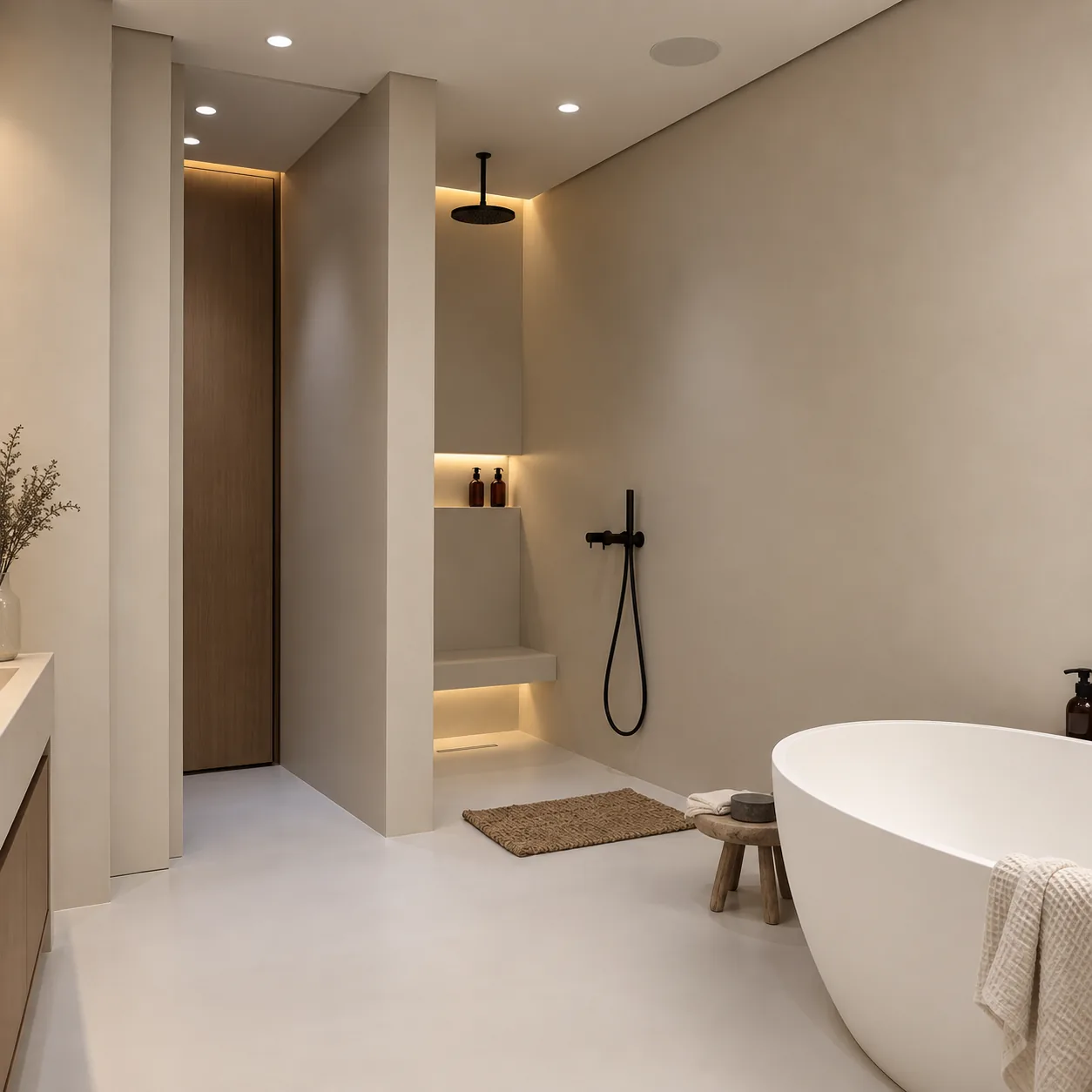
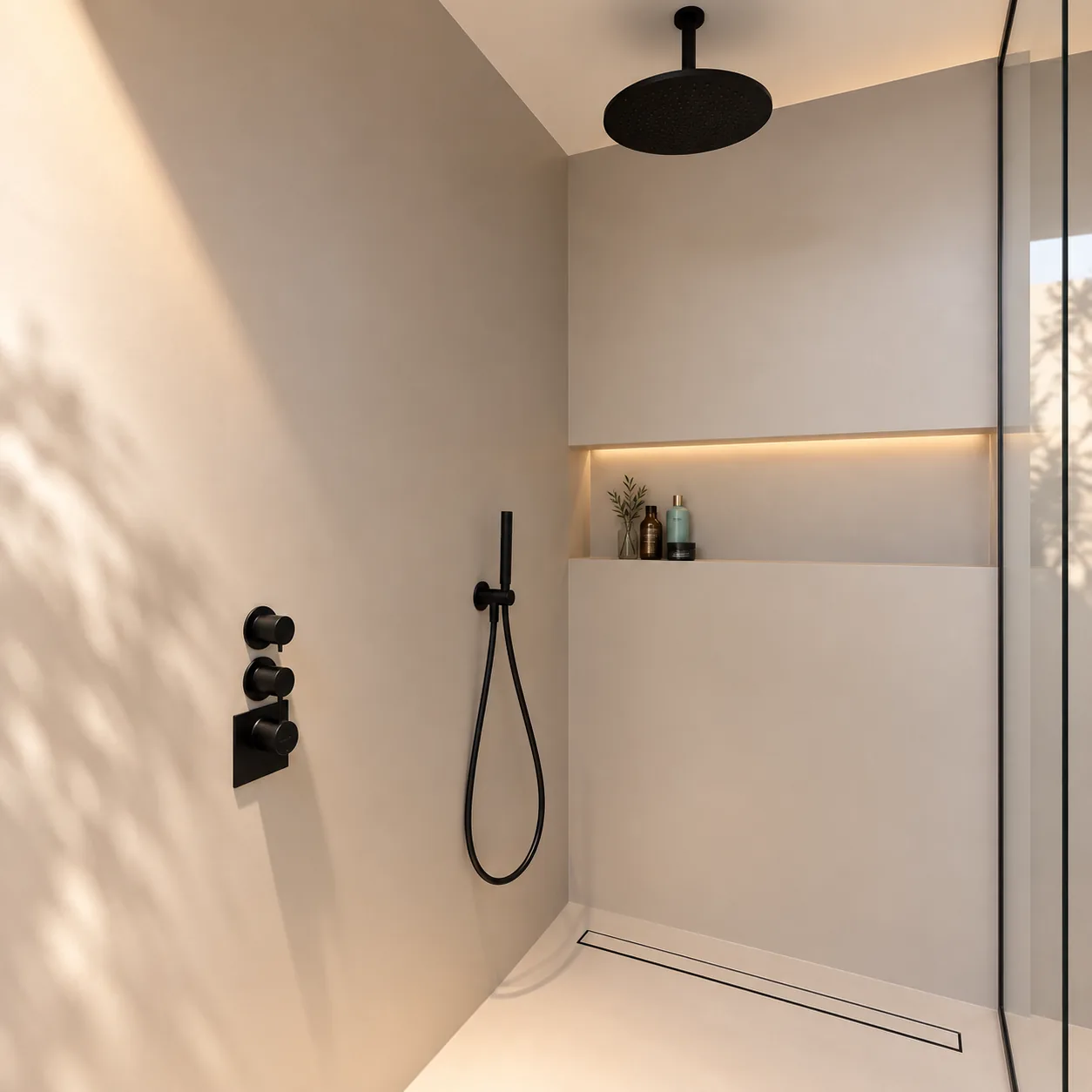
Seamless microcement walk-in shower and bathroom walls in a Toronto home

What is microcement?

Microcement is a thin, cement-based decorative coating — typically 2–3 mm — hand-trowelled in layers over existing floors, walls, stairs and furniture. Mixed from cement, polymers, fine aggregates and pigments, then sealed, it creates a continuous, joint-free surface with the soft, mineral look of polished concrete.

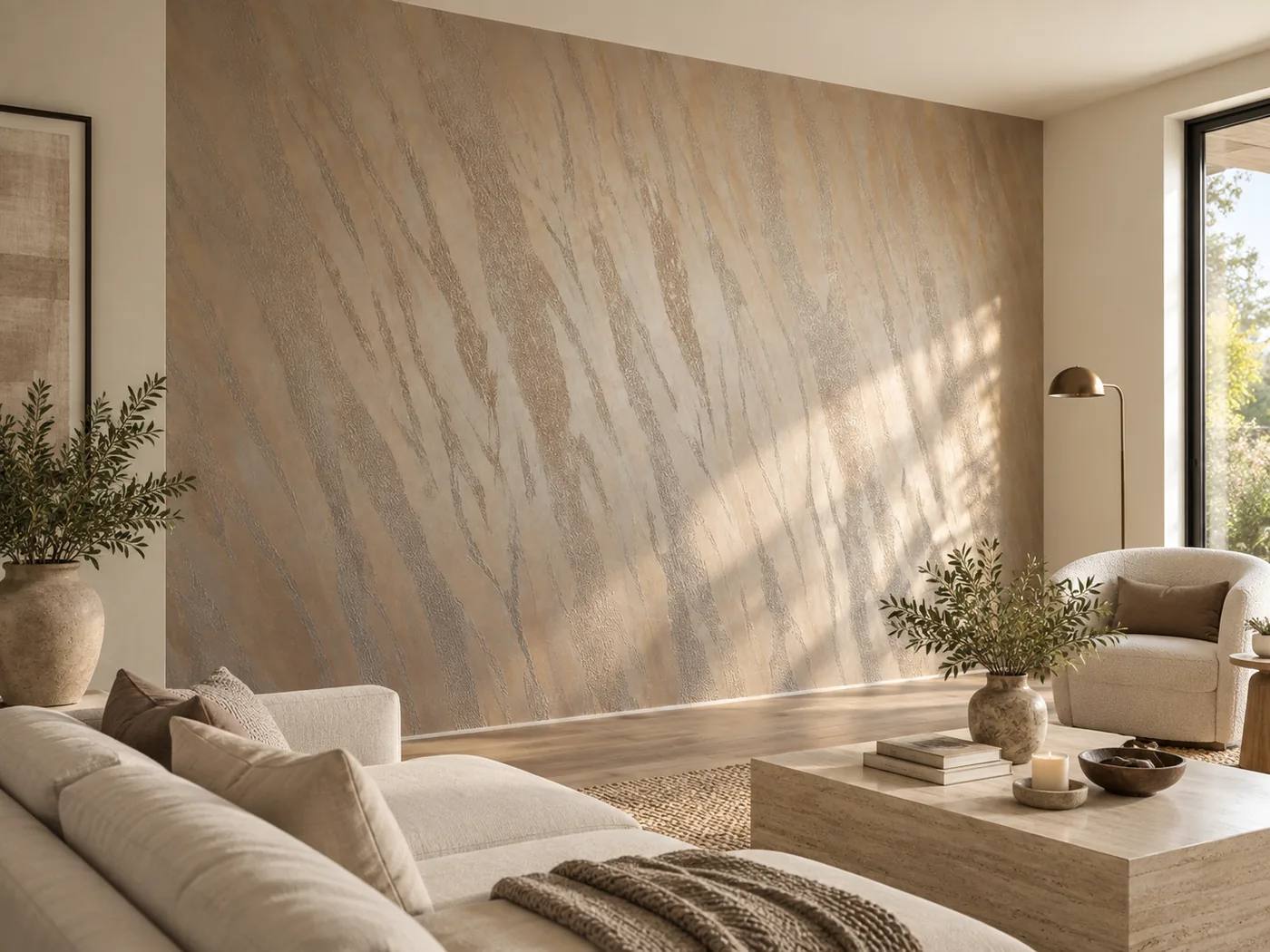
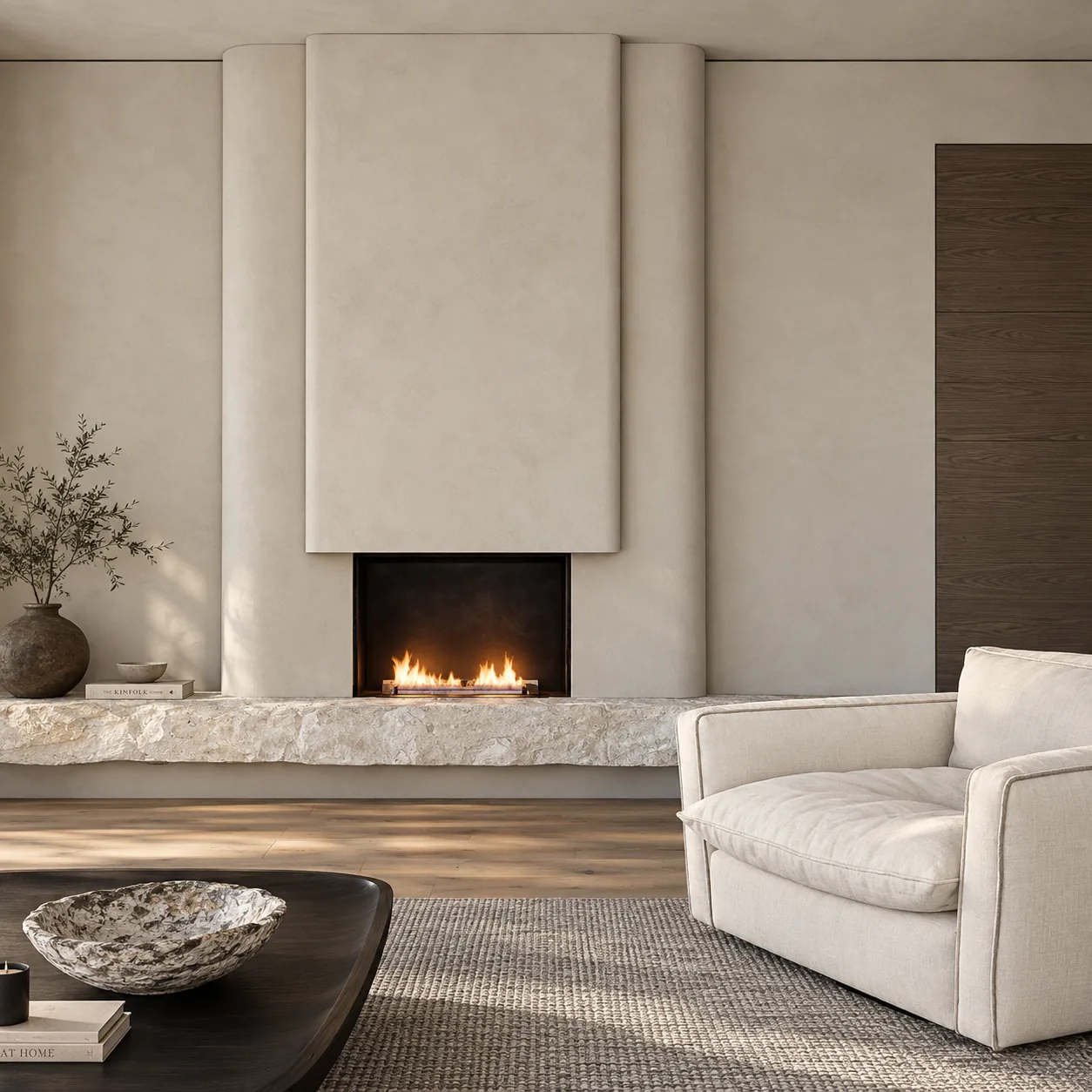
Open living room with a seamless grey microcement floor and feature wall

Microcement vs. polished concrete or tiles — what’s the difference?

Polished concrete needs a thick, heavy slab and expansion joints; tiles bring grout lines that collect dirt. Microcement gives the same mineral look in a few millimetres, without demolition, and flows from floor to wall to shower in one seamless skin.
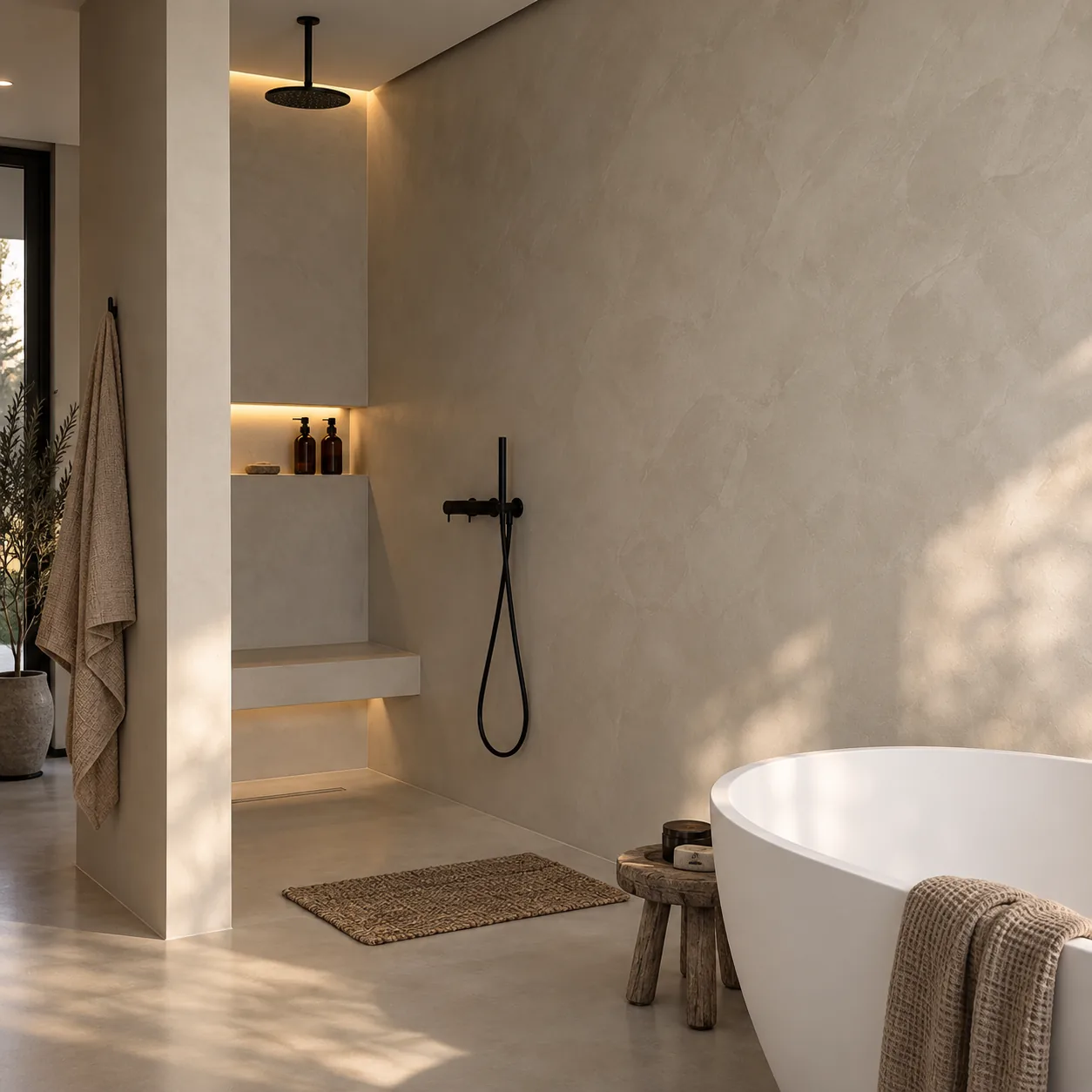
Microcement bathroom with a floating vanity and seamless walls

Benefits of microcement

Seamless and hygienic, with no grout to stain. Very thin, so it goes over existing tile and concrete. Durable under daily foot traffic, water-resistant with the right sealer, and available in countless colours and textures — from ultra-smooth to subtly stony.

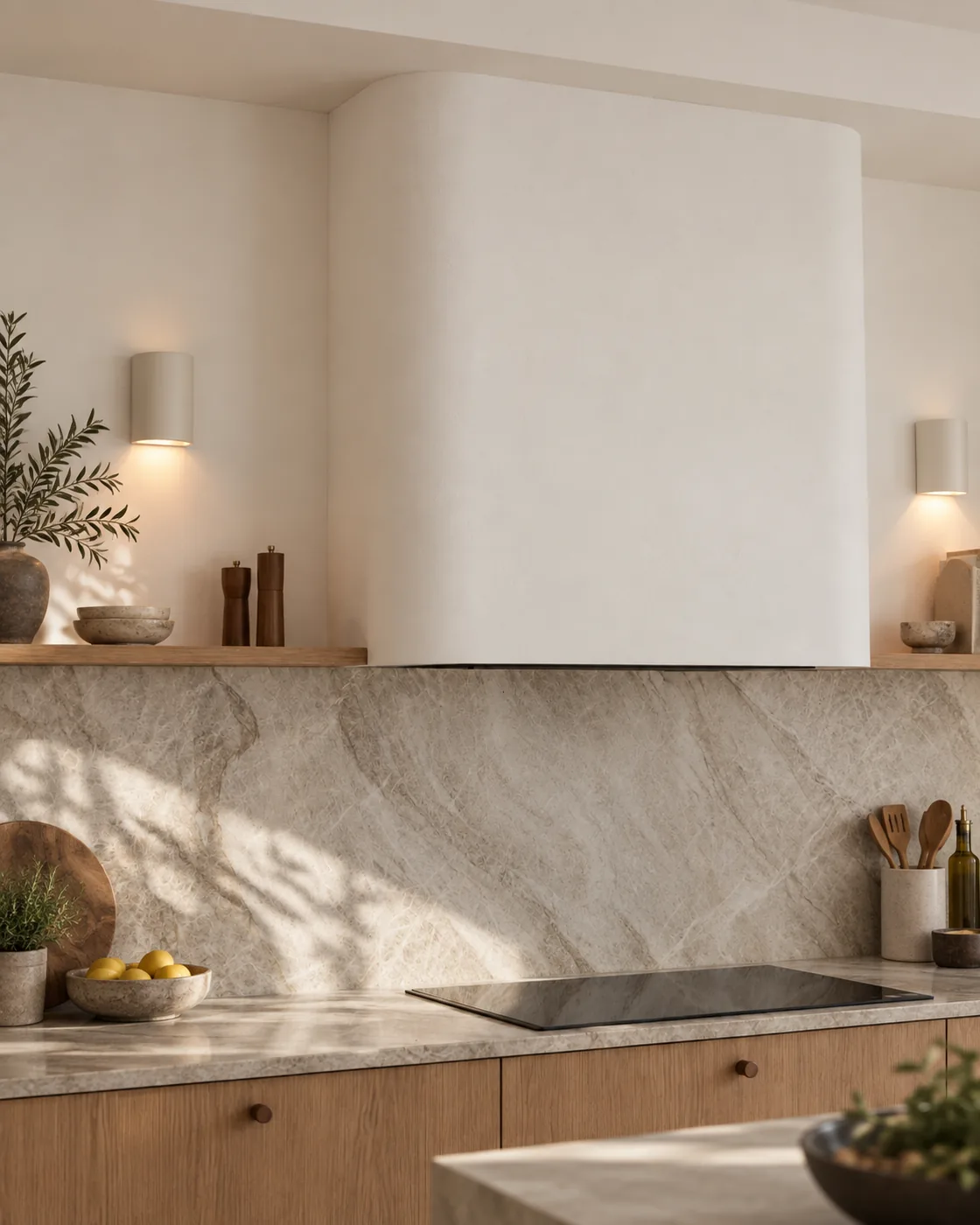
Kitchen with a sculptural microcement range hood and matching floor

Where microcement works best

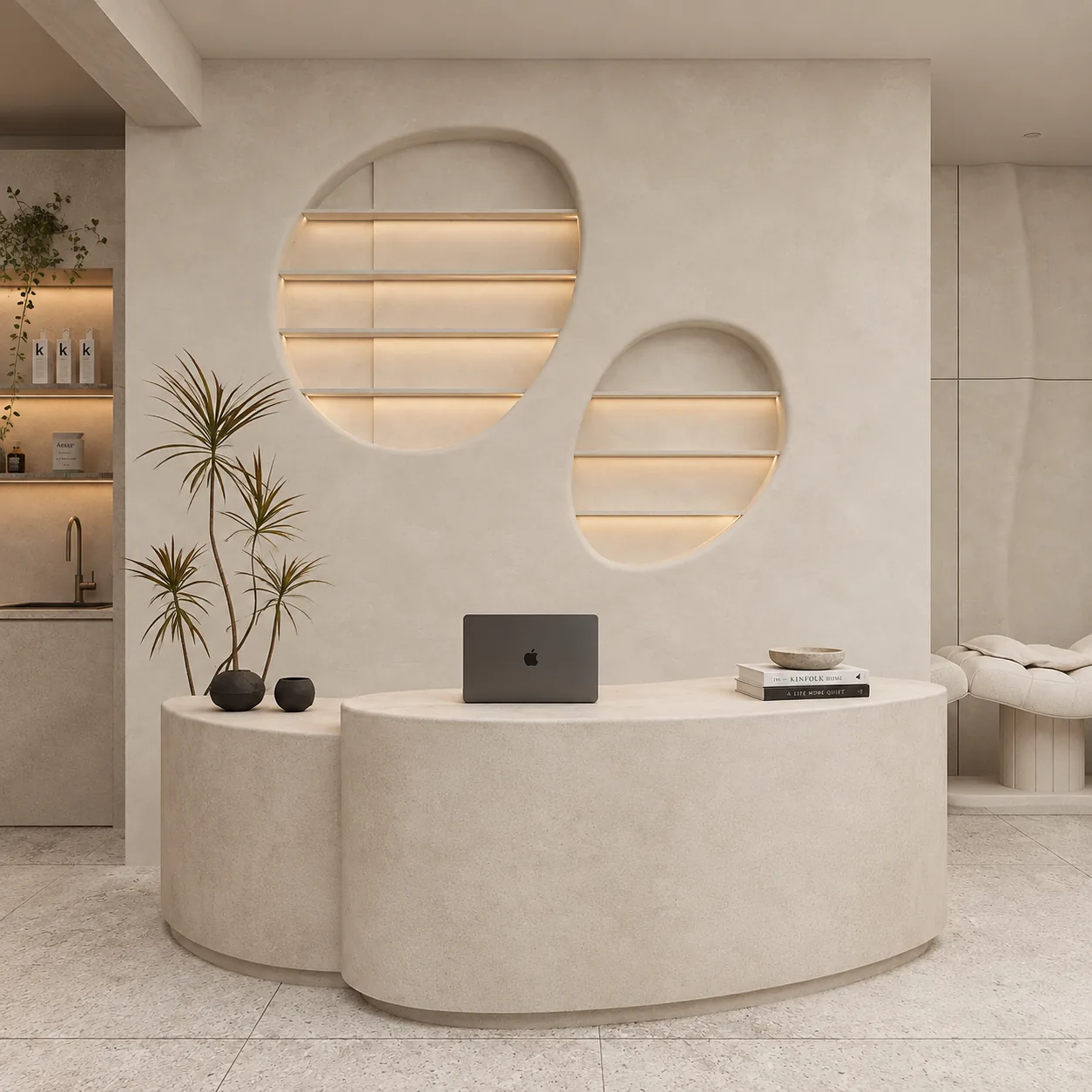
Bathrooms and walk-in showers, kitchen floors and islands, stairs that wrap without nosings, fireplaces, built-in furniture and busy commercial spaces such as reception desks and retail floors.

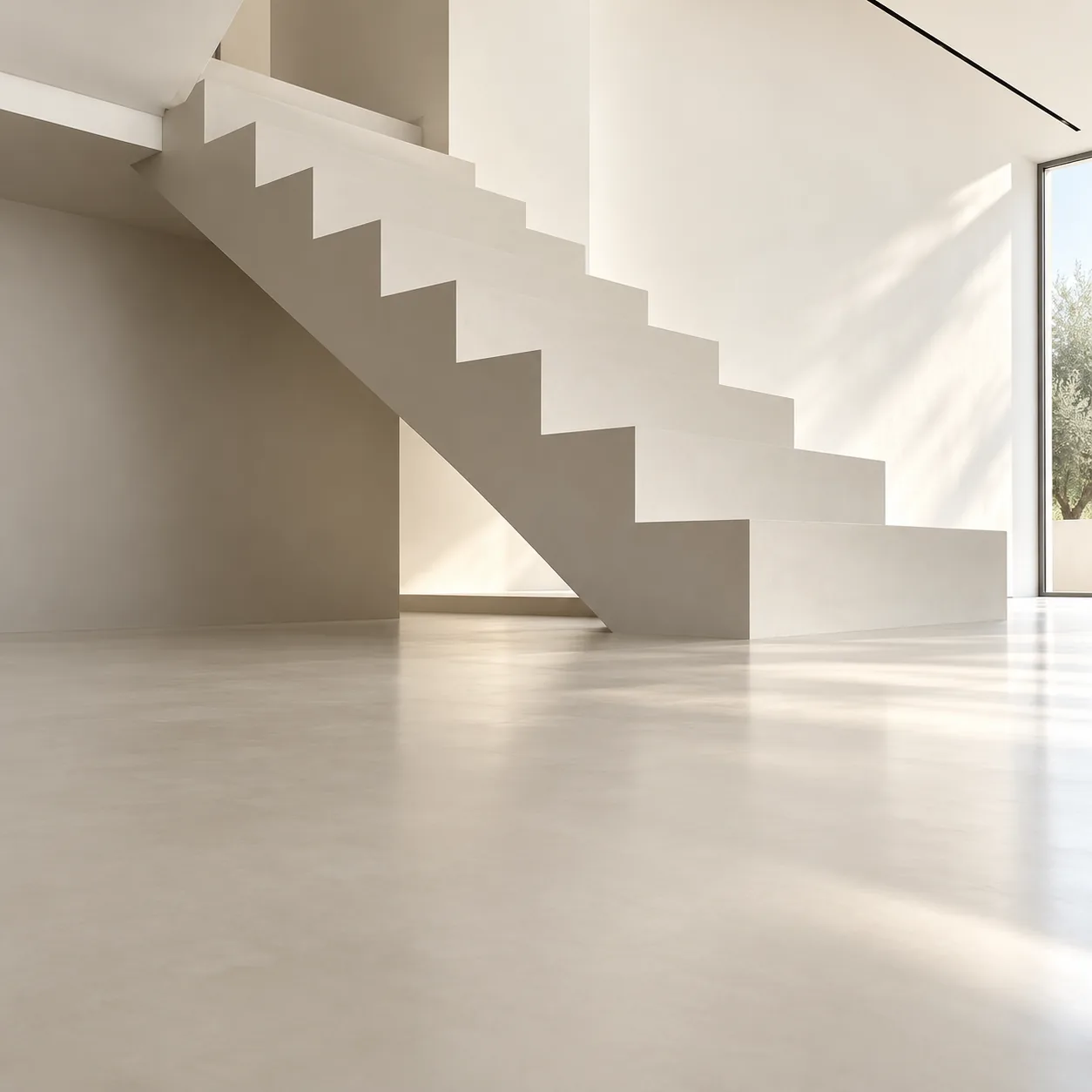
Staircase and floor finished in continuous microcement

Why choose microcement for your project

If you want a modern, minimal interior with fewer lines and less visual noise, microcement delivers it quickly — usually without removing what is already there. Sustainable materials, fast renovation and a surface that feels as calm as it looks.

Applications

Microcement applications
at a glance.

01Bathrooms & wet rooms

Continuous, grout-free walls and floors, with a sealing system specified for showers.

02Floors & stairs

A seamless floor that flows between rooms and wraps over stair treads.

03Kitchens

Hoods, islands, backsplashes and floors in one continuous surface.

04Living spaces

Feature walls and built-ins with a quiet, architectural character.

05Commercial interiors

Reception desks, retail and hospitality surfaces built for daily use.

06Furniture & details

Vanities, benches and niches finished to match the room.

How we work

Our five-step process.

  1. Consult & sample

    We visit, assess the surfaces and prepare samples for your light.

  2. Prepare

    Repair, levelling and priming establish the correct base.

  3. Apply

    Layered application builds the intended colour, movement and texture.

  4. Protect

    The surface is refined and protected with the specified system.

  5. Hand over

    Clean-up, walkthrough and tailored care guidance.

Questions & answers

Microcement FAQs

Cost, durability, preparation and care — answered plainly.

All FAQs
What makes microcement ideal for bathrooms and wet rooms?

Microcement forms a completely continuous, grout-free surface. When treated with our multi-tier polyurethane sealing system, it creates an impenetrable barrier against moisture, soap scum, and mold, making it exceptionally hygienic and effortless to clean.

How thick is microcement and can it be applied over existing tiles?

Microcement is applied at a nominal thickness of just 2 to 3 millimeters. Because of its polymer-modified adhesion, it can be applied directly over sound existing tiles, concrete, cement board, and reinforced drywall without altering door clearances or floor heights.

How durable is microcement against scratches and foot traffic?

Our high-performance microcement systems exceed standard concrete compressive strengths (approx. 35–40 MPa). Sealed with commercial-grade matte polyurethane, they resist high residential foot traffic, pet claws, and typical household spills with ease.

How do you maintain and clean microcement surfaces?

Routine cleaning requires only warm water and pH-neutral soap with a microfiber mop or cloth. Avoid harsh acidic, bleach, or abrasive cleaners. Periodic application of a protective wax or refresh sealer keeps the finish looking pristine for decades.

Start your project

Let’s create something
beautiful together.

Tell us about your space. We reply within one business day with next steps and, where useful, a sample visit.

Photos of your space (optional)

    No obligation. Your details are only used to reply to your enquiry.

    • Free on-site consultation
    • Hand-applied by our artisans
    • Fully insured
    • Natural, low-VOC materials